
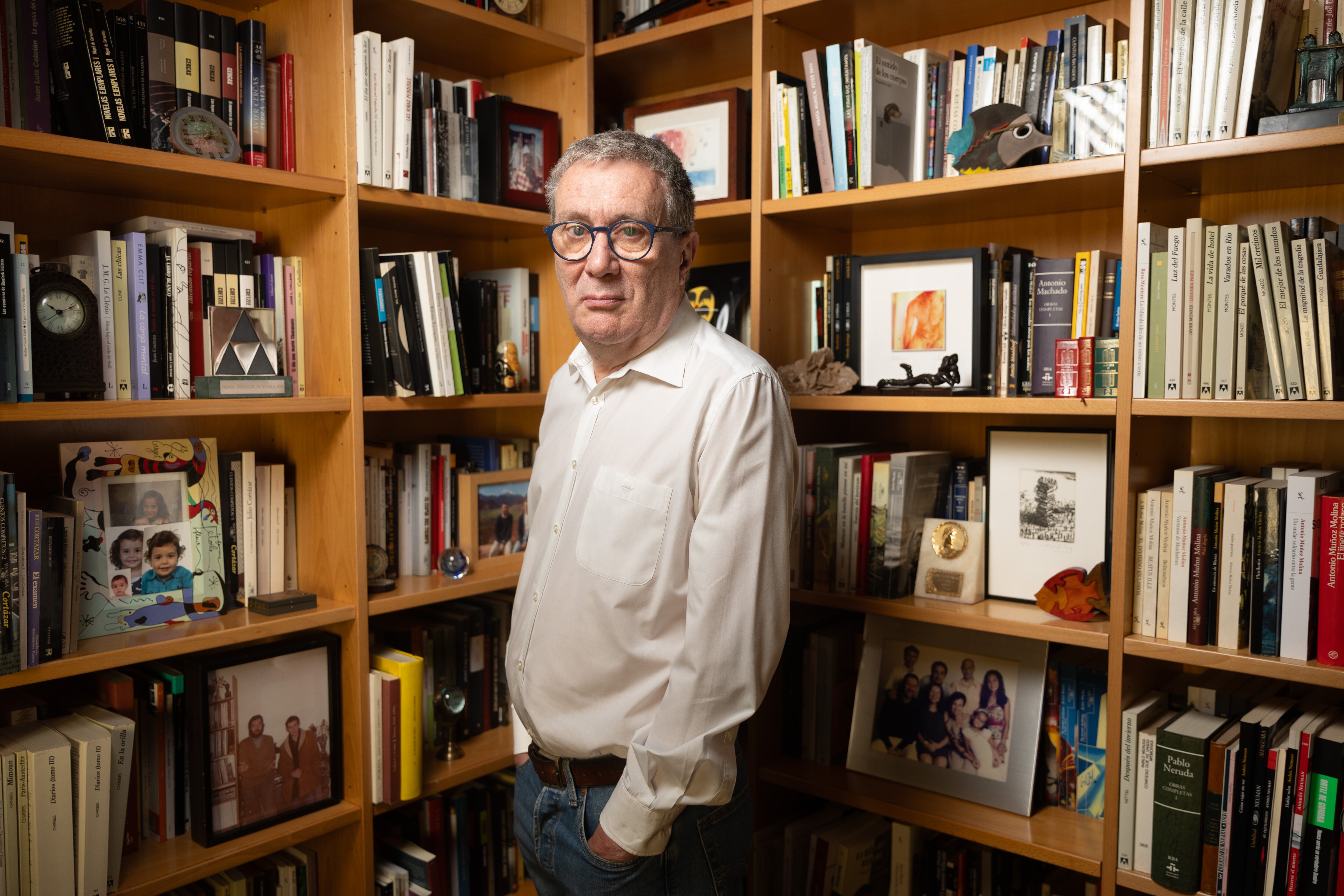
At noon on March 12 of last year, the writer Luisgé Martín (Madrid, 64 years old) received EL PAÍS at his home in Madrid to talk about El odio, the book he was going to publish about the crime of José Bretón, who in 2011 murdered his two children, Ruth and José, in a case that shocked Spain and made vicarious violence visible. Inspired by other literary projects such as The Adversary, by Emmanuel Carrère, or In Cold Blood, by Truman Capote, Martín would start a conversation with the convicted murderer. That same afternoon an excerpt from the book was published, the media began to dissect it and it was learned that Ruth Ortiz, the children's mother, had not been consulted or warned about content that re-victimized her. Ortiz asked to stop the publication of the book due to illegitimate interference with the right to honor, privacy and self-image of deceased minors. Although a court refused to stop the sale of the book, the Anagrama publishing house decided (after initial support) to freeze its publication. A debate began throughout the country about the ethical limits of literature.
Continue reading