
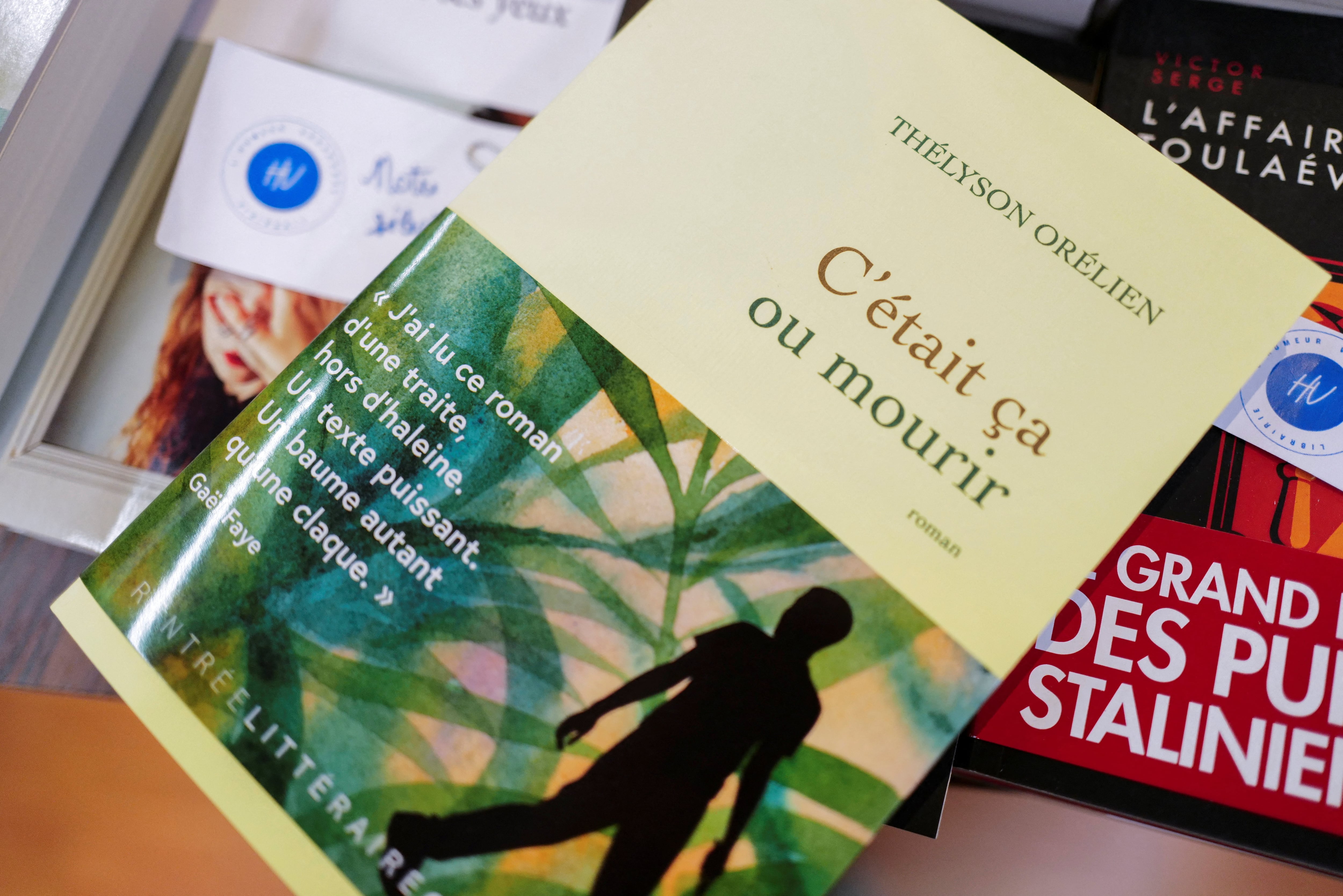
The French literary world is on fire. Earlier this week, the novel C’était ça ou mourir, by the Haitian-born Quebecer Thélyson Orélien, received the Fnac Novel Prize. Critics affirm that it is an extraordinary novel, with a unique language; a heartbreaking story, as stories are or seem to have to be now, that mixes the author's experiences with a fine, brave, unusual, unusual pen! Everything suggests that he can even win the Goncourt. Only one problem: on social networks, an anonymous account accuses the book of being written with artificial intelligence (AI). The account subjects each chapter to a detector, Pangram, whose false positive rate is estimated at one in every 24,000. The results are unequivocal: all 35 chapters of the book are written by AI. The author denies it, the publisher denies it, everyone talks about false positives; Authors of incontestable merit such as Virginie Despentes denounce a witch hunt promoted by the extreme right against a postcolonial and racialized voice. The same tests, applied to other novels by Haitian authors, render them human. Beware of irony: Grasset, which denounces the racism of its critics, is the publishing house that more than 100 authors left after the dismissal of its director, attributed to the conservative magnate Vincent Bolloré. The underlying question is complicated, at the same time very simple: at this point, are we able to know if a text has been generated by artificial intelligence or written by a flesh-and-blood human?
Continue reading